

Home renovation is the process of improving, repairing, or updating an existing house to make it more functional, comfortable, attractive, or energy-efficient. It can involve anything from repainting walls and replacing flooring to remodeling a kitchen, upgrading electrical systems, or changing a home’s layout. Unlike building a new house, renovation works with an existing structure, which means hidden problems, material compatibility, and local building requirements must be considered.
A successful home renovation starts with identifying what needs improvement, setting a realistic budget, and completing work in the correct order.
I recommend treating renovation as a series of practical decisions rather than a collection of decorating ideas. A beautiful kitchen means little if its layout makes cooking difficult, and new flooring won’t last if an underlying moisture problem remains unresolved.
Here’s how to plan improvements that look good, function well, and make sense financially.
What Is the Difference Between Home Renovation and Remodeling?
Homeowners often use these terms interchangeably, but they can describe different levels of work.
Renovation generally means restoring or updating an existing space while keeping its main function. Repainting a bedroom, replacing kitchen cabinets, or installing new flooring are common examples.
Remodeling usually involves changing a space’s layout, structure, or purpose.
Removing a wall to create an open-plan kitchen or converting a garage into a living area would typically be considered remodeling.
This distinction matters when estimating costs and deciding whether professional design, structural assessments, or permits are necessary.
A cosmetic update might take a few days, while an extensive remodel can disrupt several rooms and require coordination between multiple trades.
I would define the scope before requesting estimates so that every contractor understands exactly what is being proposed.
Start Your Home Renovation With a Clear Plan
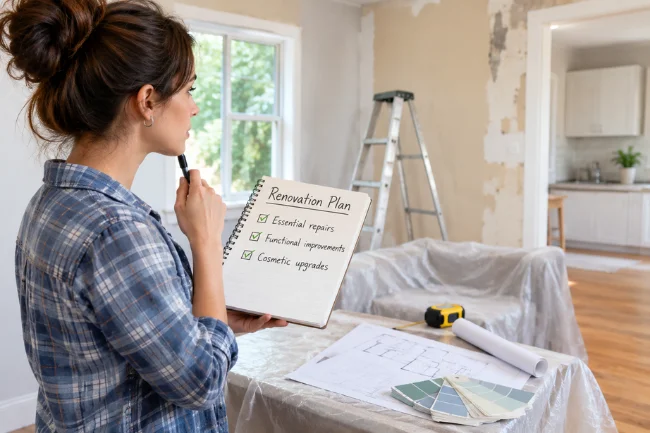
The first planning task isn’t choosing paint colors or browsing flooring samples.
It’s identifying what isn’t working in the house.
A renovation should solve problems, not simply replace familiar materials with fashionable alternatives.
Identify Your Home’s Biggest Problems
Walk through each room and look for issues that affect daily life.
A kitchen may lack preparation space. A bathroom might have poor ventilation. A bedroom may feel cramped because the furniture layout wastes usable floor area.
Write down the problems before considering solutions.
I recommend separating your observations into three categories:
- Essential repairs: Leaks, unsafe wiring, structural concerns, moisture damage, and faulty plumbing.
- Functional improvements: Better storage, lighting, ventilation, accessibility, and room layouts.
- Cosmetic upgrades: Paint, decorative finishes, cabinet hardware, and other appearance-focused changes.
This prevents decorative purchases from consuming money needed for more serious work.
Create a Room-by-Room Wish List
For each room, record what must change, what would be helpful, and what can remain.
Be specific.
Instead of writing “new kitchen,” describe the improvements you actually need: additional drawers, better task lighting, more countertop space, and replacement of damaged cabinets.
That level of detail makes it easier to compare renovation estimates and avoid unnecessary work.
Understand How You Use the Space
A room can look impressive in photographs and still feel awkward in everyday use.
I like the idea of keeping a simple activity log for several days before planning major changes.
Notice where people leave bags, where clutter collects, which doors interfere with furniture, and where extra light would help.
These small observations can uncover problems that a floor plan alone won’t reveal.
How to Set a Realistic Home Renovation Budget
Budgeting is one of the most difficult parts of any renovation because the visible finishes are only part of the expense.
Labor, preparation, waste removal, electrical upgrades, permits, deliveries, and unexpected repairs can all affect the final cost.
Rather than starting with a dream design and hoping it fits, I would establish the maximum affordable amount first.
Separate Your Budget Into Categories
The following table provides a practical way to organize renovation spending.
| Budget category | What it covers | Commonly overlooked expense |
|---|---|---|
| Planning and approvals | Surveys, design, permits, professional advice | Structural assessments |
| Demolition and preparation | Removing old finishes and preparing surfaces | Debris disposal |
| Essential systems | Electrical, plumbing, heating, ventilation | Updating outdated connections |
| Materials and fixtures | Cabinets, flooring, tiles, lighting, fittings | Delivery and damaged-item replacements |
| Labor and installation | Contractors and specialist trades | Additional preparation work |
| Finishing and cleanup | Painting, trim, cleaning, final adjustments | Temporary protection and repairs |
| Contingency | Unexpected but necessary work | Hidden moisture or structural damage |
The right allocation depends on the project’s scope. A bathroom remodel will have a very different cost distribution from a bedroom refresh.
Keep a Contingency Fund
Older houses can hide deteriorated subfloors, water damage, outdated wiring, or poorly completed previous repairs.
For planning purposes, I would consider reserving roughly 10–20% of the project budget for unexpected expenses, with more caution for older properties or major structural changes.
This is a planning allowance, not a guarantee that the reserve will cover every surprise.
For example, if the total available budget is $30,000 and you reserve $4,500, the planned work should fit within approximately $25,500.
Using the entire budget on fixtures before demolition leaves little flexibility when necessary repairs appear.
Compare Total Costs, Not Attractive Starting Prices
An inexpensive flooring quote may exclude removing old materials, leveling the subfloor, installing trim, or disposing of waste.
Similarly, a kitchen cabinet price might not include installation, hardware, electrical alterations, or countertop cutouts.
Ask for itemized estimates that clearly identify inclusions, exclusions, and allowances.
I would rather compare three complete quotes than choose a low initial figure that changes repeatedly during construction.
Plan the Correct Order of Renovation Work
A good renovation schedule reduces the chance of damaging finished surfaces or paying to repeat work.
The exact sequence depends on the house, but major repairs and hidden systems generally come before decorative finishes.
A Practical Renovation Sequence
| Project stage | Typical work | Why it comes at this point |
|---|---|---|
| 1. Assessment and planning | Inspections, measurements, designs, permits | Identifies constraints before spending |
| 2. Site preparation | Protection, approved demolition, waste management | Creates access for necessary work |
| 3. Structural and system work | Framing, plumbing, electrical, ventilation | Addresses concealed components |
| 4. Inspections and enclosure | Required checks, insulation, drywall repairs | Confirms concealed work before covering it |
| 5. Permanent finishes | Flooring, cabinetry, tile, painting | Builds the finished room |
| 6. Final installation | Fixtures, appliances, hardware, adjustments | Completes functional details |
| 7. Final checks | Testing, inspections, cleanup, documentation | Identifies unfinished or defective work |
Some stages overlap, and certain flooring or cabinet systems require a different installation order.
The contractor and manufacturers’ instructions should determine the final schedule.
Avoid Finishing Surfaces Too Early
Imagine painting a kitchen before electricians finish installing new outlets.
Additional wiring work could damage the freshly painted walls.
The same problem occurs when flooring is installed before major plumbing repairs or heavy construction work.
I would confirm that concealed systems, repairs, and necessary inspections are complete before approving final finishes.
Which Home Renovations Should You Prioritize?
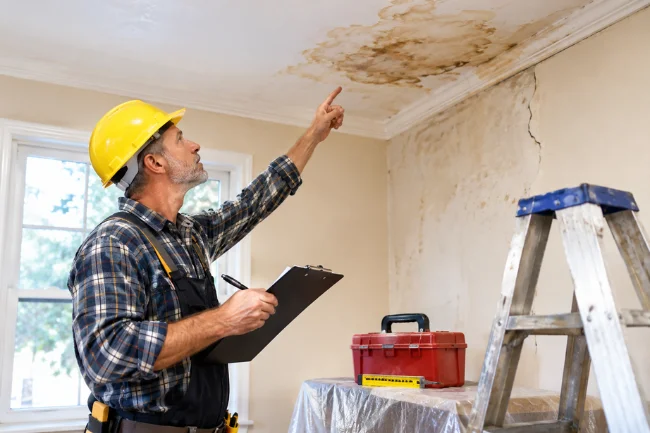
When the budget is limited, choosing the right projects matters more than renovating everything at once.
I would prioritize improvements according to safety, deterioration, everyday usefulness, and long-term maintenance.
Fix Structural and Moisture Problems First
A stained ceiling, cracked wall, or soft floor may be cosmetic, but it can also point to a larger problem.
Before covering damage, identify its cause.
Repairing a leaking roof, correcting drainage, or resolving plumbing problems should take priority over decorative upgrades.
Fresh paint cannot stop an active leak, and new cabinets won’t solve recurring moisture damage behind a wall.
Improve Storage and Layout Before Replacing Everything
Sometimes a room feels outdated because it doesn’t function well, not because every finish needs replacing.
A kitchen may benefit from drawers, organizers, and improved lighting more than from an expensive complete redesign.
My article on small kitchen organization ideas explores ways to make limited space easier to use.
I would examine those possibilities before committing to a full kitchen replacement.
Kitchen Renovation Ideas That Improve Everyday Use
The kitchen is often one of the most demanding rooms to renovate because several essential systems meet in a relatively small space.
Plumbing, electrical connections, ventilation, appliances, cabinetry, and work surfaces must function together.
Improve the Layout Before Choosing Cabinets
Start by identifying the main cooking activities: food storage, preparation, washing, and cooking.
The positions of the sink, refrigerator, and cooking appliances should support safe, convenient movement.
However, there is no single layout that suits every household.
A small galley kitchen may work efficiently with two clear countertop zones, while a larger kitchen might benefit from an island.
I would also check that appliance doors, drawers, and walkways don’t interfere with one another.
Keep Useful Materials When Possible
Replacing every cabinet is not always necessary.
If the cabinet boxes are structurally sound and free from significant damage, new doors, hardware, or professionally applied finishes may refresh the room for less than a full replacement.
Countertops and backsplashes can also be updated selectively.
However, don’t preserve damaged materials merely to save money. Swollen panels, loose fittings, and persistent moisture problems deserve proper assessment.
Bathroom Renovation: Focus on Water Control
Bathrooms are particularly vulnerable to hidden damage.
Water can travel behind tiles, beneath flooring, and around poorly sealed fixtures.
A bathroom that looks attractive on the surface may still have inadequate waterproofing or ventilation.
Inspect Before Installing New Finishes
Check for soft flooring, cracked grout, loose tiles, recurring mold, and evidence of leaks.
Some defects require professional investigation before the renovation begins.
I would never assume that replacing visible tiles automatically fixes an underlying moisture problem.
Shower waterproofing, drain connections, and other concealed details must meet applicable requirements.
Choose Practical Fixtures and Storage
Consider how easily surfaces can be cleaned, whether the bathroom has sufficient ventilation, and where toiletries will be stored.
Wall-mounted storage, well-positioned mirrors, and appropriately sized vanities can improve a small bathroom.
Durable finishes and reliable water control should come before expensive decorative accessories.
Affordable Home Renovation Ideas With Visible Results
Not every improvement needs major construction.
For homeowners working with a modest budget, smaller projects can produce a noticeable difference.
Refresh Walls and Trim
A carefully chosen paint color can improve a room’s appearance without changing its layout.
But preparation has a major effect on the finished result.
Fill suitable minor defects, clean surfaces, use the correct primer where required, and follow the paint manufacturer’s instructions.
My guide on how to prep a room for painting explains why proper surface preparation matters.
Upgrade Lighting and Hardware
Replacing outdated cabinet handles or improving lighting can make a room feel more functional.
Layered lighting is especially useful.
General lighting brightens the room, task lighting supports activities, and accent lighting highlights selected features.
Electrical alterations should be performed by qualified professionals where required.
Refresh a Bedroom Without Major Construction
Bedroom improvements can be surprisingly straightforward.
Better furniture placement, coordinated textiles, improved storage, and suitable lighting may make the space more comfortable without changing the walls.
For lower-commitment ideas, see my article on a renter-friendly bedroom makeover.
These improvements are also worth considering when a full renovation isn’t financially practical.
Don’t Overlook Energy Efficiency
Renovation creates opportunities to improve comfort and reduce unnecessary energy use.
However, buying new windows or equipment isn’t always the best first investment.
An energy assessment can identify where a home loses heat, gains unwanted heat, or has ventilation problems.
Look Beyond New Appliances
Air leaks, inadequate insulation, and poorly maintained ductwork can affect indoor comfort.
According to ENERGY STAR, air sealing and insulation are important early considerations when improving household energy performance.
I would explore these measures before selecting expensive upgrades based only on advertising claims.
Ventilation and moisture management must be considered alongside energy improvements so that tighter construction doesn’t create indoor air quality problems.
Think About Long-Term Maintenance
A product with a lower purchase price may cost more over time if it requires frequent repairs or difficult maintenance.
Look at cleaning requirements, replacement parts, warranty terms, and expected durability.
I would prioritize products that suit the household’s actual use rather than choosing everything based on appearance.
Know When a Renovation Needs a Professional
DIY work can reduce certain labor expenses, but the risks increase when a project involves structural components or concealed systems.
I would draw a clear boundary between manageable cosmetic work and jobs where errors could threaten safety or cause extensive damage.
Projects That May Be Suitable for DIY
Depending on skill, tools, and the condition of the home, experienced homeowners may be comfortable with:
- Painting suitable prepared surfaces.
- Installing simple decorative hardware.
- Assembling freestanding storage furniture.
- Replacing certain non-electrical accessories.
- Completing minor cosmetic repairs.
Always follow product instructions and assess the hazards before starting.
Projects Better Handled by Qualified Trades
Structural changes, major electrical alterations, gas connections, significant plumbing work, and complex waterproofing generally warrant qualified professionals.
Permits and licensing requirements differ by location.
Check with the relevant local building authority before beginning work, particularly when changing walls, electrical systems, plumbing, or the building’s exterior.
Older Homes Need Additional Safety Checks
Renovation can disturb materials that were safe when left intact.
In the United States, work affecting painted surfaces in homes built before 1978 can create lead-dust hazards.
The EPA’s Renovation, Repair and Painting Program requires covered paid contractors to follow lead-safe requirements. Rules for homeowners, rental properties, and particular projects differ.
Older materials may also contain asbestos.
You cannot reliably identify asbestos simply by looking at flooring, ceiling materials, or pipe insulation. If suspicious material will be disturbed, the EPA recommends assessment by a properly trained and accredited professional.
I would arrange the appropriate investigation before demolition rather than discovering a potential hazard after dust has spread through the house.
How to Choose a Reliable Renovation Contractor
A contractor’s work affects much more than the final appearance.
Poor scheduling, unclear agreements, and inadequate supervision can cause delays, disputes, and costly repairs.
Ask for Detailed Written Estimates
Request estimates that cover the same work and materials.
Check licensing where applicable, insurance, relevant experience, and recent references.
I would also ask who will supervise the project, how changes are approved, and what happens if hidden damage is discovered.
The Federal Trade Commission advises checking contractor credentials, comparing written estimates, and avoiding full payment upfront.
Put Changes in Writing
Renovation decisions often change once work begins.
A different tile, moved outlet, or additional cabinet may seem minor, but each adjustment can affect labor, materials, and scheduling.
Before approving a change, ask for its full cost and expected schedule impact.
I recommend keeping a single folder containing drawings, estimates, signed agreements, receipts, warranties, and photographs.
This documentation is especially valuable if questions arise after completion.
How to Manage Renovation Disruption
Even a well-organized project can affect daily routines.
Dust, noise, restricted access, and temporary utility interruptions should be considered before work starts.
Prepare a Temporary Living Plan
If the kitchen is being renovated, decide where food can be prepared safely.
For bathroom work, confirm whether another usable bathroom will remain available.
Protect belongings, arrange suitable storage, and keep children and pets away from construction zones.
I would also agree on working hours, access arrangements, and cleanup responsibilities before the project begins.
Check Progress at Key Milestones
You don’t need to supervise every task, but regular communication helps prevent misunderstandings.
Review the work before walls are closed, cabinets are permanently installed, or final payments are made.
Compare completed stages with the agreed scope and document unresolved issues.
The goal is to identify problems while they’re still reasonably easy to correct.
Common Home Renovation Mistakes to Avoid
Many renovation regrets begin with decisions made before construction.
Some of the most avoidable mistakes include:
- Choosing finishes before understanding the actual repair requirements.
- Starting demolition without checking for hazardous materials or hidden services.
- Underestimating preparation, delivery, and waste-removal costs.
- Changing the layout after materials have been ordered.
- Ignoring ventilation, storage, and everyday access.
- Selecting contractors solely because they submit the lowest estimate.
- Skipping required inspections or relying on verbal agreements.
- Paying the final balance before checking completed work.
One additional mistake deserves attention: renovating for an imagined future buyer while ignoring the needs of the people currently living in the home.
Resale value matters, but it shouldn’t be the only measure of success.
A practical renovation should make the property safer, easier to maintain, and more comfortable to use.
Frequently Asked Questions About Home Renovation
What is the first thing to do when renovating a house?
Inspect the property’s condition, identify essential repairs, define the project scope, and establish a realistic budget before selecting finishes.
How much should I budget for a home renovation?
Costs depend on location, materials, labor, and project size. Obtain detailed local estimates and consider a contingency of approximately 10–20%.
Is it cheaper to renovate a house or build a new one?
Renovation is often less expensive for limited improvements, but major structural problems and extensive rebuilding can change the comparison.
Do I need a permit for home renovation?
Some cosmetic projects do not require permits, while structural, plumbing, and electrical changes often do. Check local building regulations.
Which home renovations add the most value?
Necessary repairs, functional kitchen and bathroom improvements, and suitable energy upgrades can be valuable, but financial returns depend on the local market and project cost.
Make Your Home Renovation Worth the Investment
A good home renovation doesn’t need to be the biggest or most expensive project on the street.
It needs to solve real problems, respect your budget, and improve the way your home works.
I recommend beginning with a room-by-room inspection, a clear priority list, and realistic estimates. Address safety and maintenance concerns before spending heavily on decorative finishes.
With careful planning and the right professional support, even modest improvements can make your home more comfortable, practical, and enjoyable for years to come.