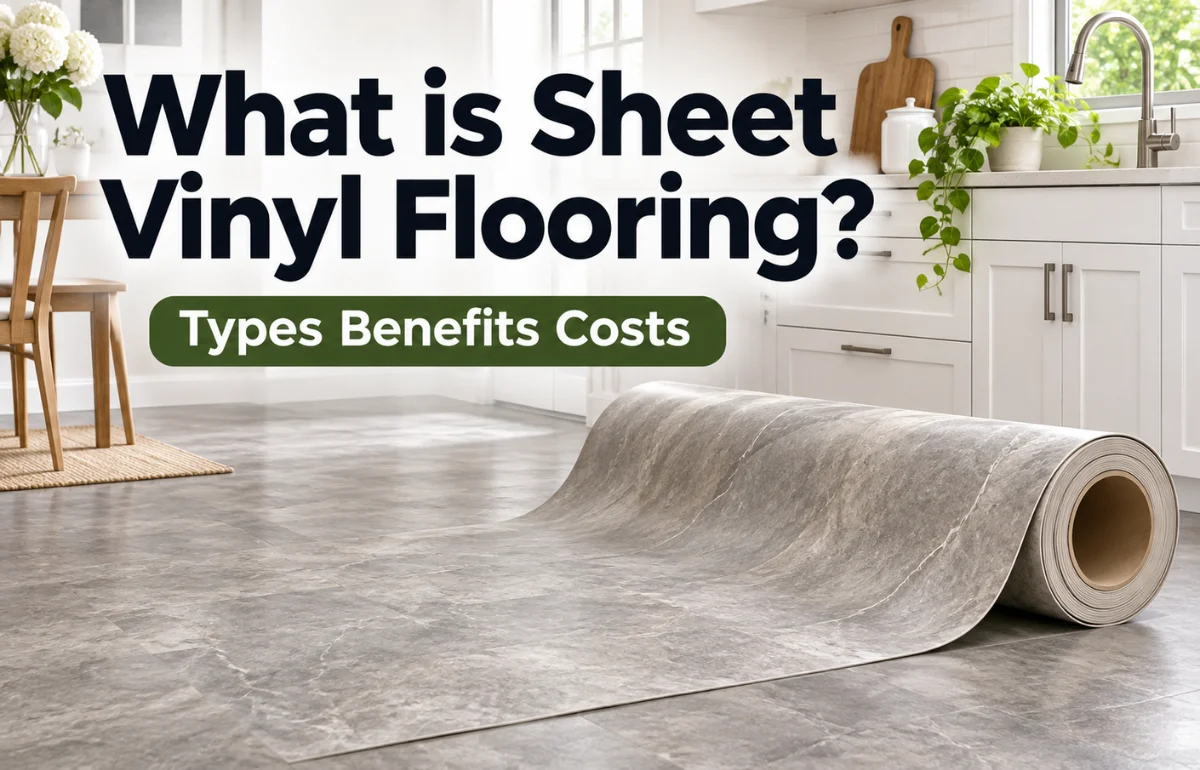
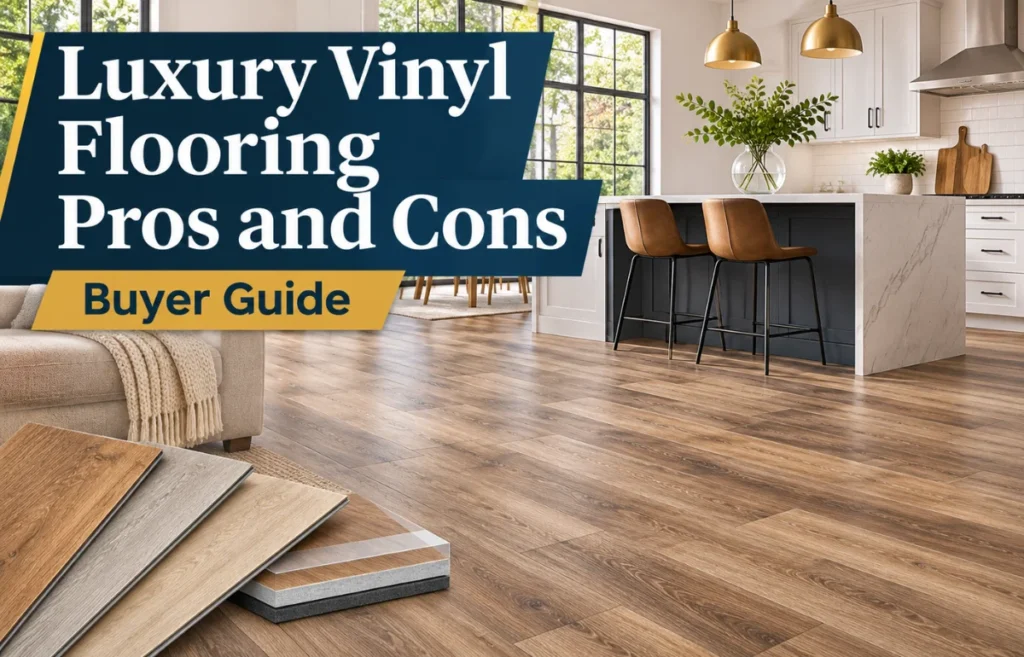
The luxury vinyl flooring pros and cons come down to a practical trade-off. Luxury vinyl flooring is a layered, PVC-based floor covering sold as wood-look planks (LVP) or stone-look tiles (LVT). It combines a printed design with a protective wear layer, offering convincing looks, easy cleaning, and strong resistance to everyday spills. Its disadvantages include possible scratches and dents, limited refinishing options, sensitivity to certain heat conditions, and environmental concerns. I see it as a sensible choice for many busy households, but its performance depends on the product, subfloor, and installation—not simply the word “luxury” on the box.
Before buying, I would compare specifications against each room’s demands. A family kitchen and a damp basement may need different products.
What Is Luxury Vinyl Flooring Made Of?
Most luxury vinyl products have a protective surface coating, a transparent wear layer, a decorative printed film, and a supporting core. Some also include attached underlayment. The print simulates wood or stone without using either as the walking surface.
Luxury vinyl plank (LVP) usually resembles timber boards. Luxury vinyl tile (LVT) generally imitates stone or ceramic. These names describe shape and appearance more than a guaranteed level of quality.
You’ll also encounter flexible vinyl, rigid-core SPC (stone-polymer composite), and WPC (wood-polymer composite). SPC is typically firm and dimensionally stable, while WPC often feels somewhat warmer or softer underfoot. Neither is automatically better: the finish, locking system, installation method, and room conditions matter too.
Luxury Vinyl Flooring Pros and Cons at a Glance
| Advantages | Disadvantages |
|---|---|
| Handles ordinary spills well | Water can still damage what lies underneath |
| Realistic wood and stone styles | Patterns can repeat or look artificial up close |
| Simple routine maintenance | Grit and furniture can scratch the finish |
| Often softer than ceramic tile | Heavy objects can leave dents |
| Multiple installation options | Poor subfloor preparation can cause failure |
| Broad range of price points | Usually cannot be sanded and refinished |
| Works in many busy rooms | PVC-based material raises disposal concerns |
These are tendencies, not promises. Two equally thick products can perform differently.
The Biggest Advantages of Luxury Vinyl Flooring
1. It Handles Everyday Moisture Better Than Many Wood-Based Floors
For kitchens, laundry rooms, and entryways, spill resistance is probably luxury vinyl’s most persuasive feature. Water on an intact vinyl surface is less likely to cause the swelling associated with many wood-based floors.
I still wouldn’t leave puddles overnight. Water can travel through edges, transitions, wall gaps, or damaged seams and reach the underlayment or subfloor. “Waterproof flooring” usually describes the flooring material, not the entire room.
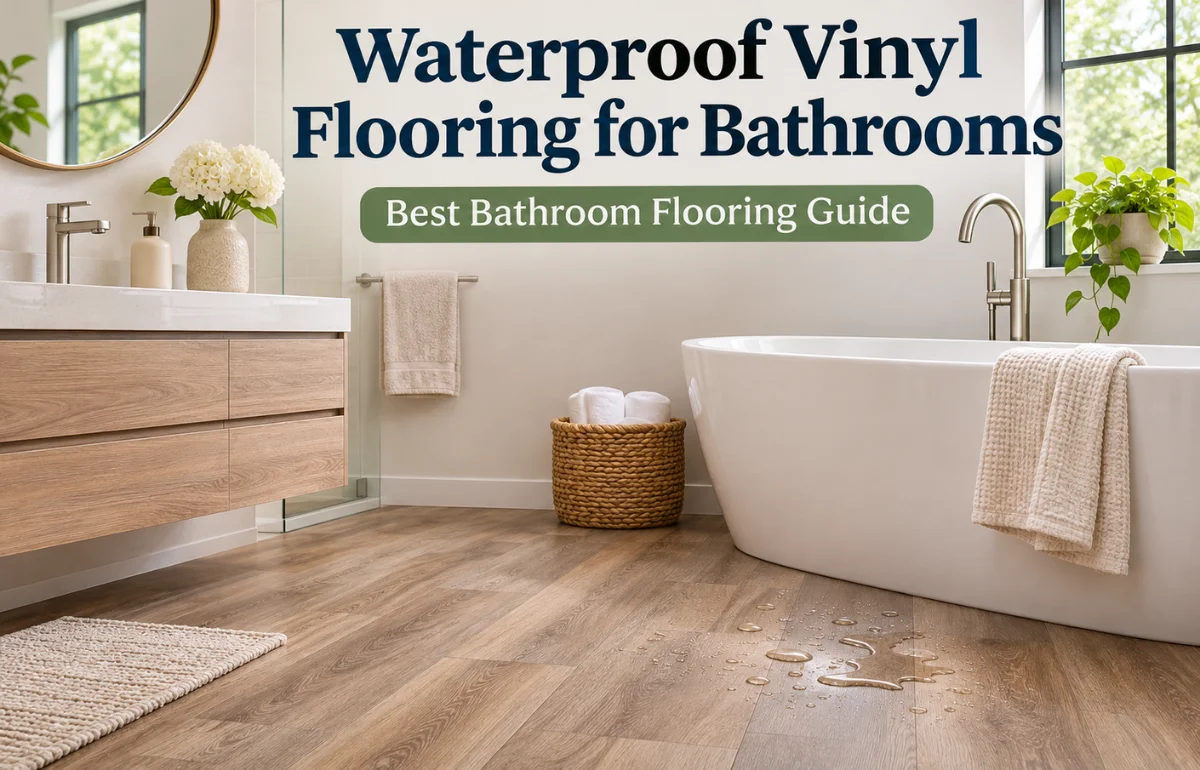
For bathrooms, I would also check the manufacturer’s wet-area approval and details around tubs, toilets, and fixtures. A floor covering doesn’t replace proper waterproofing where the room requires it.
2. It Offers Attractive Designs Without the Cost of Natural Materials
Embossed textures, matte finishes, and varied plank lengths help modern luxury vinyl resemble timber or stone. They imitate costlier natural materials without the same upkeep.
My preference is to inspect several full-size boards, not a tiny sample. Look for repeated knots, overly uniform coloring, and a glossy surface that exposes the printed design. A convincing showroom sample can appear quite different across an entire floor.
3. Cleaning Is Usually Straightforward
Most luxury vinyl floors need regular sweeping or vacuuming, occasional damp mopping, and prompt spill cleanup. There is no routine sanding, sealing, or waxing requirement for most modern products.
That doesn’t mean every cleaner is suitable. Harsh chemicals, abrasive pads, and steam mops can damage some finishes or conflict with warranty instructions. I would follow the product’s approved cleaning guidance and use soft furniture pads to reduce wear.
That simplicity appeals to busy households.
4. It Can Feel More Forgiving Than Tile
Luxury vinyl commonly feels warmer and less hard underfoot than ceramic or porcelain tile. That difference matters when you’re standing at a kitchen counter or walking barefoot through the house.
Some constructions include acoustic backing, which can reduce certain footfall sounds. However, sound performance depends on the whole floor system, and a rigid plank over uneven concrete may still sound hollow or click underfoot.
If comfort and quiet are priorities, I would request an installed sample or visit a showroom with a similar subfloor.
5. It Provides Flexible Installation Choices
Luxury vinyl isn’t limited to click-lock floating planks. Depending on the product, there are glue-down, loose-lay, and rigid-core systems suited to different rooms and project requirements.
Some installations can cover sound, flat existing surfaces, reducing demolition. But cracks, moisture, loose tiles, and uneven spots still need attention.
DIY-friendly products can save labor costs, while a professional installer may be worth it when the room has complicated transitions or requires moisture correction.
6. It Can Deliver Useful Value for a Moderate Budget
Compared with premium hardwood or natural stone, luxury vinyl often makes the desired look more affordable. Because styles range from basic printed planks to textured, high-performance collections, buyers can match a product to their spending limit.
I judge value by expected years of use, not by the lowest price per box. A midrange floor that stays attractive through household traffic may be a better purchase than an inexpensive product that needs replacing early.
The Main Disadvantages of Luxury Vinyl Flooring
1. Scratch-Resistant Does Not Mean Scratch-Proof
Protective wear layers help with everyday abrasion, but grit, dragged chairs, pet nails, and sharp objects can still mark vinyl. Some hard-core products resist indentation well yet show surface scratches, so “tough” has more than one meaning.
An overlooked detail is how visible the damage will be. A heavily textured, medium-tone oak design may disguise fine marks better than a glossy charcoal floor. I would consider finish and pattern alongside laboratory durability ratings.
2. Heavy Furniture Can Cause Permanent Dents
Concentrated weight from narrow chair legs, appliances, or stationary furniture can indent some vinyl flooring. Softer constructions may feel pleasant underfoot but can be more vulnerable to point loads.
Wide, nonstaining furniture protectors help spread the load. When moving a refrigerator, use appropriate protective boards rather than dragging it across the surface. Also check whether the chosen installation method permits heavy fixed fittings above it.
3. You Cannot Refinish It Like Solid Hardwood
Once luxury vinyl’s printed or protective surface is badly damaged, sanding it back isn’t a practical repair. Some scratches can be disguised, and individual planks or tiles may be replaceable, but replacement is the usual answer to serious wear.
This changes the long-term calculation. Solid hardwood can sometimes be refinished multiple times; vinyl generally has a finite decorative surface. I recommend retaining a few unopened spare planks, because matching colors and patterns may disappear from retailers years later.
4. A Waterproof Product Can Hide a Moisture Problem
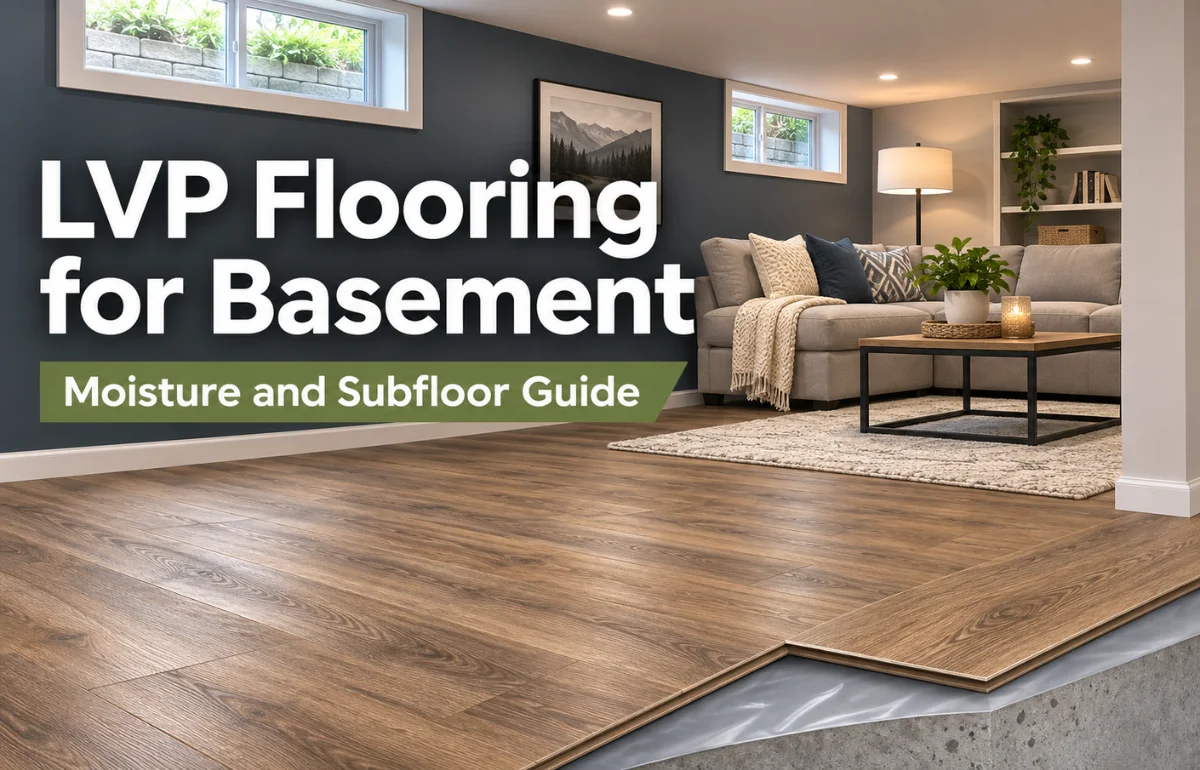
This is the limitation I would investigate most carefully in a basement or on a concrete slab. The plank may survive contact with water while moisture remains trapped underneath, affecting adhesive, producing odors, or damaging the subfloor.
Installing over damp concrete without the required moisture testing or mitigation can create an expensive failure that no premium wear layer can prevent. Moisture limits vary by system and adhesive, so I would ask for the exact manufacturer’s requirements rather than accept a blanket “waterproof” claim.
5. Sunlight and Temperature Can Restrict Where It Works
Intense direct sunlight and extreme temperature swings may contribute to expansion, distortion, fading, or discoloration, depending on the product. Rooms with large south-facing windows, unconditioned porches, or strong floor-to-ceiling sun exposure deserve extra scrutiny.
Check temperature limits and whether the manufacturer approves the floor for that setting. Window coverings can help. Rubber-backed mats are another surprisingly common concern: certain rubber compounds can stain vinyl permanently, even when the floor itself is otherwise undamaged.
6. Environmental and Indoor-Air Questions Need Attention
Luxury vinyl is generally made with PVC and other manufactured components. That creates concerns about raw materials, end-of-life disposal, and the difficulty of recycling mixed flooring layers. It isn’t the obvious choice for someone whose first priority is a low-plastic floor.
Indoor air quality deserves a separate check. Products with independently verified low VOC emissions, such as FloorScore-certified options, provide more useful evidence than vague “non-toxic” marketing. FloorScore evaluates specified emissions; it does not certify that every ingredient or environmental impact is harmless.
I would also ask for the product’s documentation on additives, adhesives, and any relevant environmental product declarations. For a glue-down installation, the adhesive is part of the indoor-air decision too.
7. Quality Varies More Than the Packaging Suggests
The term “luxury” isn’t a uniform performance standard. A low-cost floor may have a weaker finish, less convincing print, or fragile connections, while a more expensive product may still underperform in a particular test.
As Consumer Reports explains, wear-layer thickness isn’t the whole story. A 20-mil wear layer doesn’t guarantee better scratch or foot-traffic resistance than every 12-mil alternative. Construction quality and tested performance matter just as much. Manufacturer warranties also have exclusions for installation errors, excessive moisture, or misuse.
How Much Does Luxury Vinyl Flooring Cost?
For a useful U.S. budgeting benchmark, luxury vinyl plank and tile often cost around $2–$10 per square foot for material and about $4–$16 per square foot installed, according to HomeGuide’s published estimates. Actual quotes depend on location, brand, labor, and floor preparation.
For a 300-square-foot room, that broad installed range translates to roughly $1,200–$4,800 before any exceptional repairs or changes to the scope. I wouldn’t assume the advertised square-foot price represents the final bill.
Budget for removing old flooring, leveling or repairing the subfloor, moisture mitigation, underlayment where permitted, transitions, door trimming, baseboards, and waste. Buying an extra amount for cuts and future repairs is sensible; the exact allowance depends on the layout and pattern.
Even a small increase in floor height can affect doors, appliance clearance, and transitions. Measure before comparing bids.
Luxury Vinyl vs. Laminate, Hardwood, and Tile
The right material depends on which compromise you accept.
| Flooring material | Biggest strength | Main trade-off | I would consider it for |
|---|---|---|---|
| Luxury vinyl | Spill tolerance and easy upkeep | Limited refinishing; PVC-based | Busy kitchens, entryways, family spaces |
| Laminate | Often convincing wood look and hard surface | Moisture performance varies widely | Dry living rooms and bedrooms |
| Solid hardwood | Genuine wood and refinishing potential | Higher cost and moisture sensitivity | Long-term living spaces |
| Porcelain tile | Excellent wear and water resistance | Hard, cool surface; costly labor | Bathrooms and high-wear wet areas |
Luxury vinyl is the middle-ground option when you want a wood-like appearance without wood’s maintenance demands. Tile wins where durability and wet-area performance dominate, while hardwood has an advantage for people who value authentic material and future refinishing.
How I Would Choose the Right Luxury Vinyl Floor
Start With the Room, Not the Color
Check exposure to spills, sun, temperature swings, pets, rolling chairs, and heavy furniture. Consider slip resistance and any acoustic requirements.
Choose a product approved for those conditions; “waterproof” does not mean suitable everywhere.
Compare Wear Layer, Construction, and Testing
Wear layers are frequently measured in mils, meaning thousandths of an inch—not millimeters. As a rough shopping filter, 12 mil can suit ordinary residential traffic, while 20 mil is commonly marketed for heavier use. Yet I treat those numbers as screening tools, not guarantees.
Look for independent test results, warranty terms, finish details, and the condition of sample locking edges. Ask the retailer what happens if one plank is damaged and whether replacement material is likely to remain available.
Make the Subfloor Part of the Purchase Decision
A flat, dry, sound substrate is essential whether the new surface is floating or glued down. Unevenness may cause movement, joint stress, visible imperfections, or adhesive problems.
When weighing the luxury vinyl flooring pros and cons, I would ask who measures moisture, who corrects flatness, and which party is responsible if those conditions fail inspection. Get those responsibilities in writing. For older flooring that might contain asbestos, follow EPA guidance: don’t disturb or sand it before professional assessment.
Bring Samples Home and Test the Appearance
View several planks in daylight and artificial light. Place them beside cabinets, paint, and trim. Rotate samples to see whether the grain looks repetitive or the sheen reveals scratches.
Here’s my practical rule: judge the floor under the worst lighting and most demanding use it will face, not just under flattering showroom lights. Also confirm that the final order uses compatible product specifications and check boxes for visible variation before installation.
Where Luxury Vinyl Makes Sense—and Where I Would Hesitate
I would shortlist luxury vinyl for busy family rooms, hallways, kitchens, and many properly prepared basements. It is particularly appealing when low-maintenance cleaning and a softer feel than tile matter more than having a natural material.
I would hesitate in spaces exposed to uncontrolled heat, persistent moisture intrusion, or unusually heavy point loads. I would also compare hardwood or tile more seriously when the project prioritizes decades of repairability, resale preferences, or minimal plastic content.
A properly installed midrange floor may outperform an expensive choice made for appearance alone.
Final Verdict: Is Luxury Vinyl Flooring Worth It?
For many homes, yes. The benefits are practical: attractive finishes, manageable upkeep, and good tolerance for everyday spills. The drawbacks become meaningful when the floor is exposed to heat, grit, trapped moisture, or damage that can’t be refinished.
My next step would be to bring home samples from two or three products, compare their technical sheets and warranties, and request a quote that includes subfloor preparation. That’s how I’d turn the luxury vinyl flooring pros and cons into a confident buying decision.
Frequently Asked Questions
Is luxury vinyl flooring better than laminate?
Luxury vinyl is often the safer option for spill-prone rooms; laminate may suit dry spaces where wood-like appearance and surface hardness are priorities.
How long does luxury vinyl flooring last?
Service life varies with quality, traffic, maintenance, and installation. Many products are marketed for roughly 10–20 years or longer, but warranties are not lifespan guarantees.
Can luxury vinyl flooring be used in bathrooms?
Often yes, if the product is approved for bathrooms and installed correctly. Waterproof planks don’t replace waterproofing around fixtures or address leaks underneath.
Does luxury vinyl flooring scratch easily?
It can scratch from grit, dragged furniture, or sharp objects. Better finishes, entrance mats, and furniture pads reduce the risk but cannot eliminate it.
Does luxury vinyl flooring increase home value?
It may improve presentation and buyer appeal compared with worn flooring, but it doesn’t consistently deliver the resale premium sometimes associated with genuine hardwood.