
Vinyl flooring installation cost is the total price of buying vinyl flooring and having it fitted, including labor and any preparation needed to make the surface suitable. In the United States, professionally installed vinyl flooring commonly costs about $4–$14 per square foot in 2026. A straightforward vinyl plank job often falls closer to $5–$9 per square foot, while inexpensive sheet vinyl can cost less.
The final bill depends on the product, room size, existing floor, and local labor rates. For a 200-square-foot room, a typical $5–$9 plank installation works out to $1,000–$1,800 before significant repairs or extras.
I recommend looking at the complete installed price—not the attractive number printed on a box—before deciding whether vinyl fits your budget.
How Much Does Vinyl Flooring Cost to Install Per Square Foot?
A useful starting point is the Home Depot installation guide, which estimates typical vinyl plank installation at $5–$9 per square foot, including materials and labor. ConsumerAffairs gives a wider $4–$14 range across vinyl products and installation conditions.
Angi’s September 2026 report puts the national average at $2,519, based on 5,707 verified projects, with many homeowners spending between $1,007 and $4,050.
Those numbers describe different mixes of jobs, not conflicting fixed prices. A square bedroom with a dry, even subfloor takes less work than a kitchen with cabinets, uneven concrete, and several doorways.
| Vinyl flooring type | Approximate installed cost per sq. ft. | What to expect |
|---|---|---|
| Sheet vinyl | $2–$7 | Lower material costs; seams and floor smoothness matter |
| Basic vinyl tile or VCT | $2–$10 | Affordable options; preparation varies by product |
| Typical vinyl plank | $5–$9 | Common budget for straightforward residential installs |
| Luxury vinyl plank or tile (LVP/LVT) | $4–$16 | Wide range of constructions, finishes, and installation methods |
These are U.S. pricing ranges, not guaranteed contractor prices. The categories overlap because luxury vinyl and ordinary vinyl plank are sometimes marketed under the same names.
Subfloor replacement, significant removal work, stairs, and taxes can cost extra.
How Much Is Labor Alone?
Basic vinyl installation labor is often around $1–$5 per square foot, although intricate layouts or expensive markets can push rates higher. For common plank jobs, Home Depot’s breakdown puts labor around $3–$5 per square foot.
I would question a quote that simply says “installation: $500” without defining what installation includes.
Does the crew remove old carpet, repair dips, install transitions, move appliances, and reinstall trim? Two labor prices are only comparable when the scope is identical.
Cost by Vinyl Flooring Type
Sheet Vinyl: The Budget-Friendly Option
Sheet vinyl arrives in rolls and can cover smaller rooms with very few seams. It typically costs less to purchase than luxury plank, making it attractive for laundry rooms, rentals, and practical bathroom updates.
The catch is that thin sheets reveal bumps and ridges below them. A cheap roll laid over a poorly prepared subfloor may look worse than a more expensive product installed correctly.
Seam placement can also affect both labor and water resistance.
Vinyl Plank Flooring: Versatile and Widely Available
Click-lock vinyl planks mimic wood boards and usually float over a suitable subfloor. They’re popular because damaged individual planks may be replaceable, depending on how the floor was installed and whether matching stock remains available.
Not every plank is interchangeable. Some require a specific expansion gap, moisture barrier, or installation temperature.
I would check the exact product instructions before paying for extra underlayment, particularly if the plank already has an attached pad.
Luxury Vinyl Tile and Rigid-Core Flooring
Luxury vinyl tile resembles ceramic tile or stone; luxury vinyl plank resembles wood. Rigid-core versions, including SPC and WPC products, can cost more but offer different combinations of stability, comfort, and construction.
A thicker board is not automatically the better purchase.
The wear layer, locking system, warranty terms, and suitability for the room matter more than thickness alone. A premium product installed on an unsuitable base can still fail.
Vinyl Flooring Installation Cost by Room Size
Floor area provides a quick estimate, but it doesn’t tell the whole story. Below, I’ve used a $5–$9 per-square-foot installed allowance for ordinary plank flooring on a subfloor that needs no major work.
| Project size | Estimated installed cost | Common example |
|---|---|---|
| 50 sq. ft. | $250–$450 | Small bathroom or entry |
| 150 sq. ft. | $750–$1,350 | Modest kitchen |
| 200 sq. ft. | $1,000–$1,800 | Bedroom |
| 500 sq. ft. | $2,500–$4,500 | Combined living areas |
| 1,000 sq. ft. | $5,000–$9,000 | Several rooms |
A small bathroom may exceed the table’s estimate because contractors often have minimum visit charges.
Conversely, covering several open rooms at once can reduce the labor cost per square foot. The table is a starting budget, not a room-specific bid.
What Changes the Final Vinyl Floor Installation Price?
Subfloor Condition and Moisture
The subfloor is where budget surprises tend to hide. Plywood may need fastening or patching; concrete may require crack repairs, moisture testing, or smoothing.
A floor can look level to the eye while still having dips that exceed the manufacturer’s flatness tolerance.
COREtec’s installation guidance calls for a clean, flat, dry, structurally sound base and appropriate moisture checks.
I would rather pay for documented preparation than save a little upfront and end up with clicking joints or visible waves.
Old Flooring Removal
Pulling up carpet is different from removing glued vinyl or breaking out ceramic tile. Disposal fees, stubborn adhesive, damaged underlayment, and extra labor can all alter the quote.
Older flooring deserves special caution. Some historical floor tiles and backing materials contained asbestos.
The U.S. EPA advises professional assessment before disturbing suspicious materials. Do not sand or scrape an unknown old floor just to reduce installation costs.
Layout, Cuts, and Flooring Direction
One open rectangular room wastes less material than a space with alcoves, an island, closets, and angled walls.
Herringbone patterns, diagonal layouts, and many transitions require more cuts and more time.
I use a simple “doorway test” when thinking about estimates: count every place where the new floor meets another room, a threshold, a stair, or a change in height.
Each junction may call for a trim piece or extra fitting that won’t appear in a basic square-foot price.
Location, Access, and Project Timing
Labor prices vary by city, installer availability, and whether the crew can move materials easily. Upper-floor apartments, restricted work hours, limited parking, and occupied rooms can make an otherwise ordinary job more expensive.
A project delayed by wet concrete or extensive furniture moving may also require another visit.
Ask whether the contractor’s price assumes the rooms will be cleared and ready on installation day.
Hidden Costs Worth Including in Your Budget
The flooring itself is only one piece of the project. I would ask for a separate price, or a clear written allowance, for each of these possible extras:
- Removal and disposal of existing flooring, including tack strips and adhesive.
- Subfloor patching, leveling compound, moisture testing, or damaged plywood.
- Underlayment or a moisture barrier, but only where the chosen flooring requires it.
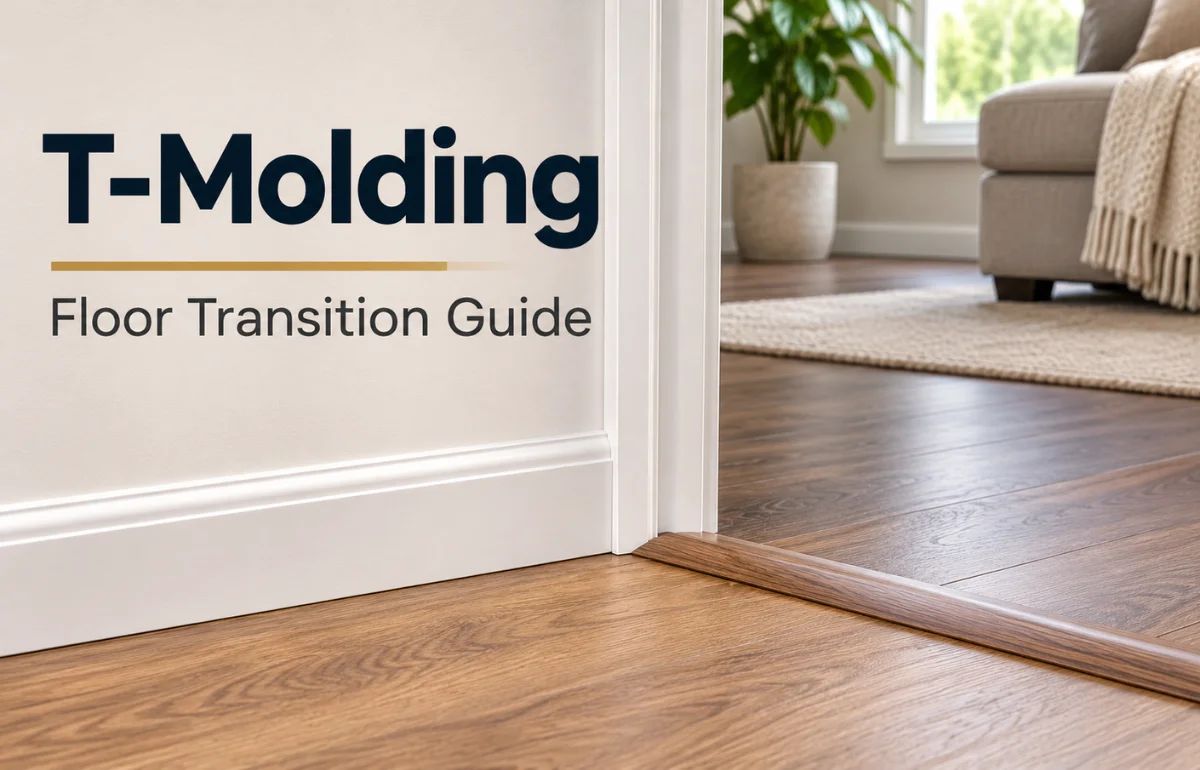
- Transition strips, quarter-round molding, baseboards, and stair nosing.
- Door trimming, appliance movement, toilet removal and resetting, and furniture handling.
- Delivery, minimum service charges, sales tax, and any required local permits.
One detail homeowners often miss is finished floor height.
An added layer can leave a dishwasher trapped beneath a countertop or stop a door from swinging freely. Checking clearances before work begins is much cheaper than discovering the problem afterward.
Also ask whether an advertised “free installation” deal excludes prep work, trim, or minimum-purchase requirements.
A discount on labor isn’t necessarily a discount on the finished room.
How I Calculate a More Realistic Project Budget
I prefer building an estimate from separate quantities rather than multiplying the room area by a single hopeful price.
Here’s an illustrative 200-square-foot bedroom using midrange vinyl plank prices:
- Measure the floor: 200 square feet.
- Allow 10% extra planks for cutting waste: buy roughly 220 square feet.
- Price the material at $3.25 per purchased square foot: $715.
- Estimate installation labor at $3.50 per actual square foot: $700.
- Add old-floor removal ($200), modest prep ($250), and transitions ($120).
That totals $1,985 before tax, unusual repairs, or other exclusions.
A 10% contingency adds about $199, bringing my working budget to roughly $2,184. These are example assumptions, not a contractor quotation.
Notice the distinction between purchased footage and installed footage: I pay for the extra planks, but a normal labor rate usually applies to the area actually covered.
Buying 10% more flooring does not automatically mean paying 10% more installation labor.
For a straightforward layout, around 5%–10% material overage may suffice; complex patterns may require 10%–15% or more.
Check carton coverage and the installer’s layout plan before ordering. Keep a spare unopened carton if storage and return rules allow; matching a discontinued color later can be difficult.
DIY Vinyl Flooring vs. Hiring a Professional
A capable homeowner can often install click-lock planks without specialized equipment. DIY removes most direct installation labor, but it doesn’t eliminate the cost of tools, cutters, spacers, protective gear, disposal, or floor preparation.
The real trade-off is risk.
Poorly prepared concrete, incorrect expansion gaps, and damaged locking edges may create problems that take longer to fix than the original job. Manufacturer warranties can also depend on meeting detailed installation requirements.
I would consider DIY for a small, dry, uncomplicated room after checking the product instructions.
I would lean toward a professional for large connected spaces, stairs, glue-down products, active moisture problems, or expensive flooring with complicated cuts.
Before deciding, price the equipment you don’t own and put a value on your time.
Saving $600 in labor feels different if the project consumes several weekends and leaves no allowance for mistakes.
How to Choose Vinyl Flooring Without Overpaying
In a busy household, I would compare the wear layer and warranty coverage before choosing a color.
A thick overall plank may still have a relatively thin protective surface. Look for product-specific performance details rather than assuming that all “waterproof” floors resist scratches or furniture dents equally.
Pay attention to indoor air quality as well.
FloorScore certification identifies products tested against specified volatile organic compound emission limits, although it doesn’t certify that a flooring system is free of every chemical concern. Adhesives may need separate consideration.
“Waterproof plank” is another phrase that deserves scrutiny.
It normally describes the flooring product, not a guarantee that water cannot reach or damage the subfloor through joints, perimeter gaps, or plumbing leaks. In bathrooms and laundry areas, appropriate moisture management remains essential.
Finally, check whether the product permits installation over your existing surface.
An overlay can save removal costs, but only when the base is sound, suitably flat, and permitted by the manufacturer. Never assume that adding another layer will hide a failing floor.
Practical Ways to Save on Installation
The biggest savings usually come from controlling complexity, not chasing the lowest-priced plank.
A consistent floor across connected rooms can reduce transitions and make the finished space look more cohesive.
I would also compare several products within the same performance category.
An attractive midrange plank with a reliable locking mechanism may offer better value than an expensive finish that adds little practical benefit in the intended room.
Clear furniture and personal items before the crew arrives if the contractor allows it.
Ask whether you can handle safe, ordinary removal tasks yourself, but leave suspicious old flooring, extensive leveling, and moisture problems to appropriately qualified professionals.
Get at least three itemized estimates based on the same floor plan and product specification.
Avoid choosing solely on the bottom-line number; the cheapest quote may simply omit important work. If a large project can be scheduled as one continuous job, ask whether mobilization and delivery costs can be reduced.
What I Check Before Accepting an Installer’s Quote
A good estimate should identify the vinyl brand and product, measured floor area, quantity to purchase, labor rate, preparation work, accessories, and debris removal.
It should also say who moves fixtures and furniture and whether taxes and delivery are included.
I would ask for the subfloor flatness and moisture requirements in writing, along with the proposed method for meeting them.
If the crew discovers damage after removing the old floor, the agreement should explain how change orders are priced and approved.
Finally, confirm the installation warranty separately from the manufacturer’s material warranty.
Ask about the schedule, payment milestones, cleanup, and who handles a damaged plank or a failed seam. Clear answers before installation are worth more than vague promises afterward.
Is Vinyl Flooring Worth the Installation Cost?
For households seeking an easy-to-clean floor that resembles wood or stone without the price of many natural materials, vinyl can be a sensible choice.
Its value depends on picking a suitable product and installing it over a properly prepared base.
I wouldn’t judge value by sticker price alone.
A floor that fits the room, remains stable, and doesn’t require early repairs is usually the more economical decision—even when the initial quote is a little higher.
Frequently Asked Questions
How Much Does It Cost to Install 1,000 Square Feet of Vinyl Flooring?
For typical vinyl plank installation at $5–$9 per square foot, allow about $5,000–$9,000 before major subfloor repairs and other extras.
What Is the Average Labor Cost to Install Vinyl Plank Flooring?
Straightforward installation labor commonly runs about $3–$5 per square foot, although local rates and complex layouts may cost more.
Is It Cheaper to Install Vinyl or Laminate Flooring?
It depends on the specific products and preparation required. Basic vinyl sheet is often inexpensive, while premium vinyl plank can cost as much as or more than some laminate options.
Can Vinyl Flooring Be Installed Over Existing Tile?
Often, yes, if the tile is firmly attached, sufficiently flat, dry, and approved as a substrate by the vinyl flooring manufacturer.
How Long Does Vinyl Flooring Installation Take?
A simple room may be completed in a day, but removal, leveling, adhesives, or multiple rooms can extend the project by several days.
Final Thoughts
Vinyl flooring installation cost becomes easier to manage when I separate material, labor, preparation, and finishing expenses.
Start with realistic per-square-foot figures, add a contingency, and ask installers to price the same scope of work.
Then choose the quote that protects both your budget and the long-term performance of your floor.