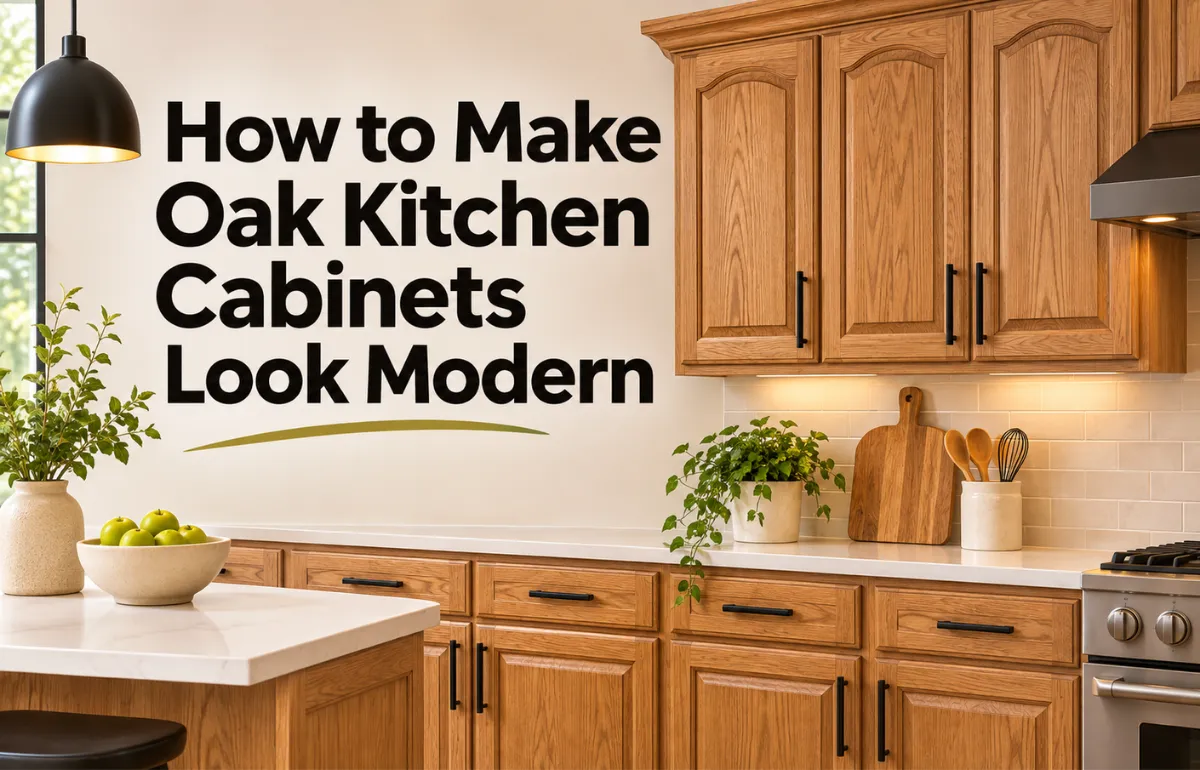
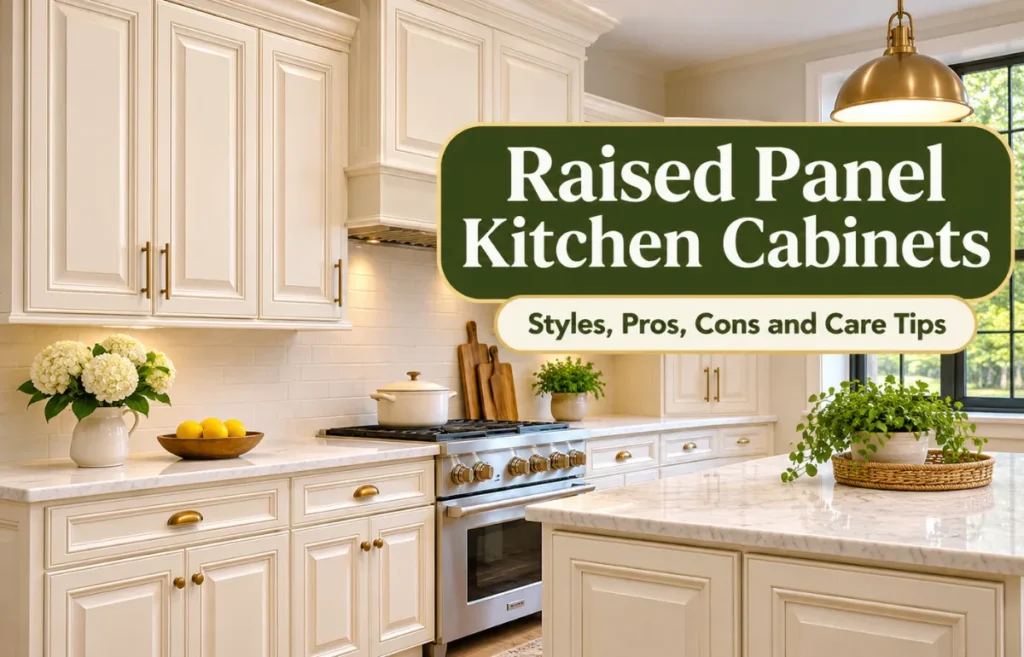
Raised panel kitchen cabinets are cabinets featuring doors with an elevated center panel surrounded by a decorative outer frame. The center panel typically has beveled, curved, or contoured edges that create depth and dimension. Unlike Shaker cabinets, which have a recessed center panel, raised panel cabinets have a more detailed, furniture-like appearance.
These cabinets are available in solid wood, MDF, and other engineered materials, making them suitable for different kitchen styles and budgets.
What I particularly like about this cabinet design is its ability to give a kitchen character without relying entirely on decorative accessories. The natural shadows created by the door profiles add visual interest throughout the room.
However, raised panel cabinetry isn’t the ideal choice for every household. Kitchen size, cleaning habits, material quality, and surrounding finishes all influence how well these cabinets will work in your home.
What Makes Raised Panel Kitchen Cabinets Different?
The defining feature of raised panel cabinetry is its three-dimensional door construction.
A traditional five-piece raised panel cabinet door consists of:
- Two vertical frame pieces called stiles.
- Two horizontal frame pieces called rails.
- A raised center panel.
- Contoured edges surrounding the center panel.
- Grooves within the frame that accommodate the panel.
In traditional solid wood construction, the center panel can expand and contract independently within the surrounding frame as indoor humidity changes.
Some modern versions are manufactured from a single piece of routed MDF to achieve a similar appearance.
I recommend paying attention to the depth of the decorative profile when comparing cabinet doors. Two doors marketed under the same style can look surprisingly different, depending on how their edges are shaped.
Types of Raised Panel Kitchen Cabinets
Not every raised panel door has an elaborate or heavily decorated appearance. Several variations are available, ranging from understated designs to formal, traditional styles.
1. Square Raised Panel Cabinets
Square raised panel doors feature straight lines and a rectangular center panel with shaped edges.
They provide a balanced appearance that works well in traditional, transitional, and farmhouse kitchens.
I would consider this design if you appreciate classic cabinetry but want enough flexibility to change your kitchen decor in the future.
2. Arched Raised Panel Cabinets
Arched cabinet doors feature a gently curved design along the upper portion of the center panel.
Their softer appearance complements traditional kitchens, vintage furnishings, and decorative architectural details.
They can look particularly attractive on upper cabinets when paired with simpler rectangular lower cabinet doors.
3. Cathedral Raised Panel Cabinets
Cathedral cabinet doors have a more pronounced arch that creates an ornamental appearance.
These cabinets are often associated with older European-inspired kitchens and traditional American interiors.
I would use cathedral doors selectively in a newly designed kitchen. A decorative pantry or freestanding kitchen hutch can benefit from this detail without overwhelming the entire room.
4. Beveled Raised Panel Cabinets
Beveled cabinet doors feature angled transitions between the elevated center and the surrounding frame.
The simpler profile creates depth without excessive ornamentation.
This makes beveled doors a practical option for homeowners who want something more decorative than Shaker cabinetry but less elaborate than traditional raised panel designs.
Raised Panel vs. Shaker vs. Flat Panel Kitchen Cabinets
Choosing between cabinet door styles becomes easier when you understand how they affect both appearance and everyday maintenance.
| Feature | Raised Panel Cabinets | Shaker Cabinets | Flat Panel Cabinets |
|---|---|---|---|
| Door design | Elevated, contoured center | Recessed center panel | Smooth, uninterrupted surface |
| Appearance | Classic and detailed | Simple and balanced | Sleek and minimalist |
| Best kitchen styles | Traditional, farmhouse, transitional | Farmhouse, transitional, modern | Modern and contemporary |
| Cleaning difficulty | Moderate to higher | Moderate | Generally easiest |
| Visual depth | High | Moderate | Low |
| Relative cost | Often higher | Low to mid-range | Varies by material |
| Decorative flexibility | High | Moderate | Minimal |
| Maintenance needs | More attention to grooves | Occasional corner cleaning | Routine surface cleaning |
I wouldn’t choose a cabinet style based on popularity alone.
A beautifully finished raised panel door that complements your home’s architecture can be a better long-term investment than minimalist cabinetry that feels disconnected from the rest of the house.
Pros and Cons of Raised Panel Kitchen Cabinets
Understanding the advantages and disadvantages will help you decide whether the additional decorative detail is worth the investment.
Advantages of Raised Panel Cabinets
Classic Appearance
Raised panel cabinetry has a longstanding place in traditional interior design. Its decorative character can remain attractive even as kitchen trends change.
Greater Visual Depth
The shaped center panels create natural highlights and shadows, making cabinet surfaces more interesting than completely flat doors.
Wide Range of Finishes
These cabinets are available in painted, stained, natural wood, glazed, and distressed finishes.
Furniture-Like Character
Detailed cabinet doors can make kitchen islands, pantry units, and built-in storage feel more like custom furniture.
Refinishing Potential
Many solid wood raised panel doors can be repainted or refinished, allowing homeowners to update their kitchen without replacing the entire cabinet system.
Disadvantages of Raised Panel Cabinets
More Cleaning
Cooking grease, dust, and food residue can accumulate around decorative grooves and recessed corners.
Potentially Higher Costs
Traditional raised panel doors often require additional material and machining compared with simpler door designs.
Visual Heaviness
Deep profiles, dark finishes, and excessive decorative molding can make compact kitchens feel crowded.
Seasonal Wood Movement
Natural wood panels may expand or contract as humidity changes, occasionally revealing unfinished edges or small finish lines.
More Difficult Painting
Decorative contours require careful preparation and paint application to avoid uneven coverage, drips, and buildup around corners.
Best Materials for Raised Panel Kitchen Cabinets
The material beneath the finish influences durability, appearance, maintenance, and renovation costs.
I recommend choosing the material based on how you use your kitchen rather than concentrating exclusively on its appearance.
| Cabinet material | Main advantage | Main drawback | Best application |
|---|---|---|---|
| Solid oak | Strong with distinctive grain | Grain may remain visible under paint | Traditional and rustic kitchens |
| Maple | Smooth, relatively fine grain | Some stains may appear uneven | Painted and stained cabinetry |
| Cherry wood | Rich natural color | Changes color with age and light exposure | Classic luxury kitchens |
| MDF | Smooth surface for painting | Vulnerable to moisture if inadequately protected | Painted cabinet doors |
| Thermofoil-covered MDF | Uniform finish and easy surface cleaning | May peel with excessive heat or deterioration | Budget-conscious renovations |
Solid Wood Raised Panel Cabinets
Solid wood is an excellent option when natural grain, craftsmanship, and future refinishing matter.
Oak provides a more pronounced texture, while maple offers a subtler appearance. Cherry develops a richer character as it ages.
Wood still requires protection from standing water and significant humidity fluctuations.
MDF Raised Panel Cabinets
Medium-density fiberboard offers a consistent surface that works particularly well with painted finishes.
A one-piece routed MDF door also eliminates the separate frame joints found in traditional five-piece construction.
However, MDF isn’t waterproof. Damaged finishes and exposed edges can allow moisture to penetrate and cause swelling.
Are Raised Panel Cabinets Suitable for Every Kitchen Style?
Raised panel doors are most successful when their decorative character supports the surrounding interior.
Traditional Kitchens
This is where raised panel cabinetry feels most natural.
Warm wood finishes, decorative crown molding, natural stone countertops, and classic hardware all complement the shaped doors.
Cream, walnut, cherry, and medium-toned oak are worth considering.
Farmhouse Kitchens
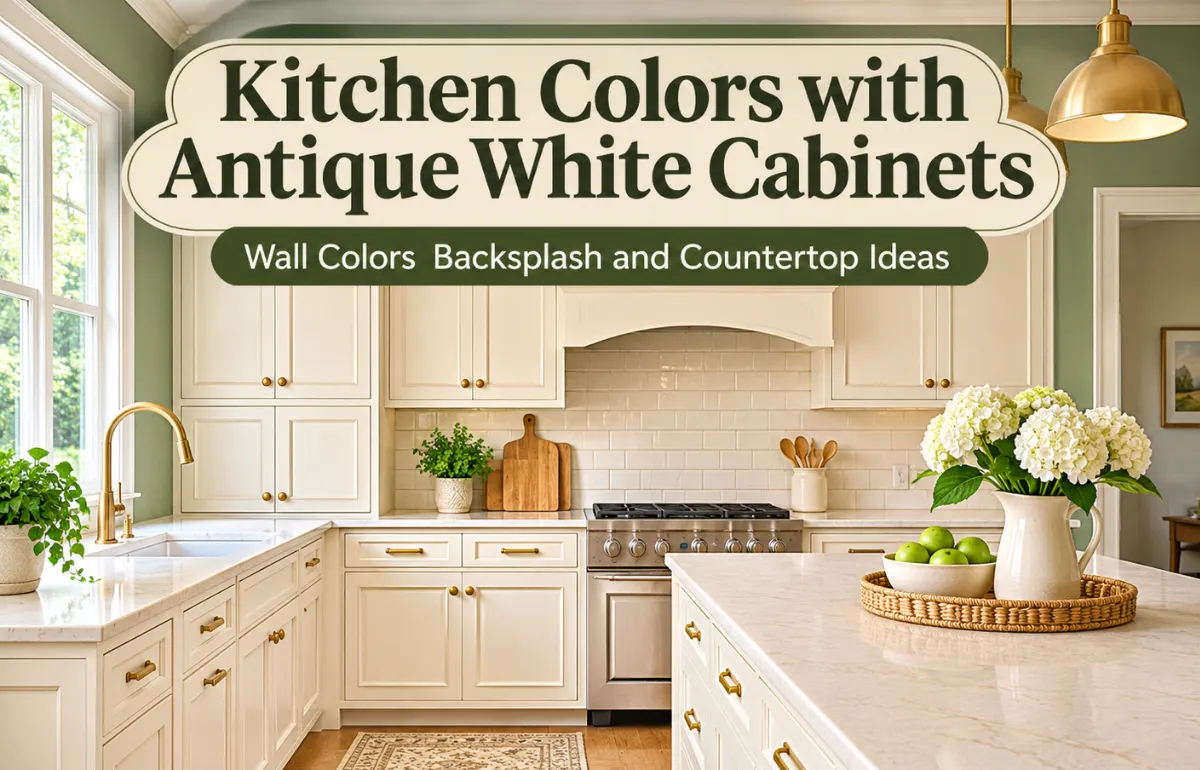
White raised panel kitchen cabinets can create a welcoming farmhouse appearance without making the space feel overly rustic.
I prefer pairing them with simple hardware, natural wood accents, warm lighting, and understated backsplashes.
Transitional Kitchens
Transitional design combines traditional character with contemporary simplicity.
A shallow raised panel profile, neutral cabinet color, and streamlined hardware can achieve this balance without making the kitchen feel excessively formal.
Small Kitchens
Raised panel cabinets can work in small kitchens, provided the design is carefully balanced.
I would avoid combining deep decorative profiles, elaborate crown molding, dark stains, and heavily patterned countertops in a confined space.
Light colors, simpler square profiles, and good lighting allow the cabinet details to remain visible without dominating the room.
Best Colors for Raised Panel Kitchen Cabinets
Color determines whether the cabinet profile appears subtle, dramatic, traditional, or contemporary.
Warm White and Cream
Warm white cabinetry creates a bright appearance while softening the shadows around raised panels.
Cream finishes are particularly attractive alongside natural stone, wood flooring, and antique brass hardware.
Natural Oak and Walnut
Natural wood finishes highlight the craftsmanship of shaped panels.
Light oak provides a relaxed appearance, while walnut introduces warmth and richness.
Sage Green
Muted sage green adds character without overpowering the cabinet’s architectural details.
It pairs nicely with brass hardware, wooden countertops, and neutral backsplash tiles.
Navy Blue
Navy raised panel cabinets offer a more dramatic appearance, particularly on kitchen islands.
I would balance this darker color with lighter countertops and walls to prevent the space from becoming visually heavy.
Greige and Taupe
These understated neutral shades help modernize traditional cabinetry while retaining its warmth.
They are especially useful when existing flooring or countertops contain beige and brown undertones.
How to Make Raised Panel Kitchen Cabinets Look Modern
You don’t necessarily need to replace traditional cabinets to create a fresher kitchen.
Often, the surrounding finishes contribute more to an outdated appearance than the cabinet doors themselves.
Consider these updates:
- Replace ornate handles with streamlined cabinet pulls.
- Choose warm white, muted green, or neutral paint colors.
- Remove unnecessary decorative trim where practical.
- Install simple backsplash tiles.
- Replace outdated lighting fixtures.
- Introduce contemporary countertop materials.
- Avoid heavily antiqued or contrasting glazed finishes.
One design combination I particularly favor is warm white raised panel cabinetry with brushed brass handles, a light stone countertop, and simple pendant lighting.
The cabinet doors retain their traditional character while the surrounding materials provide a cleaner appearance.
How Much Do Raised Panel Kitchen Cabinets Cost?
Raised panel cabinets are often more expensive than comparable Shaker cabinets because traditional construction involves thicker center panels, additional shaping, and more machining.
However, a premium flat panel cabinet can easily cost more than a basic raised panel alternative.
The final price depends on several factors:
- Cabinet door material and wood species.
- Complexity of the decorative profile.
- Stock, semi-custom, or custom construction.
- Kitchen dimensions and cabinet configuration.
- Paint, stain, and protective finish quality.
- Hardware and installation requirements.
I recommend requesting itemized quotations that include drawer fronts, exposed end panels, molding, finishing, and installation.
Comparing cabinet prices without these details can create a misleading impression of affordability.
If your existing cabinet boxes are structurally sound, cabinet refacing may offer a more economical alternative to complete replacement.
Overlooked Details to Check Before Buying Raised Panel Cabinets
Cabinet samples can look beautiful in a showroom but behave differently once installed throughout an entire kitchen.
These are some practical considerations I would prioritize before placing an order.
Examine the Panel Under Side Lighting
Hold a sample cabinet door near a window or beneath lighting that strikes it from an angle.
Side lighting makes decorative shadows, surface imperfections, and finish variations more visible.
A profile that appears subtle in a showroom may look significantly deeper under kitchen lighting.
Check the Smallest Drawer Front
A raised panel design needs adequate space for its surrounding frame and decorative contours.
On narrow drawers, these details can look compressed or become difficult to manufacture attractively.
Ask whether the cabinet supplier offers matching slab drawer fronts for smaller drawers.
Consider Handle Placement
A cabinet handle should sit comfortably on a suitable flat mounting surface.
Deeply shaped door profiles may restrict hardware positioning or reduce finger clearance behind certain handles.
Test your preferred hardware against a physical door sample before ordering.
Inspect Corner Cabinet Clearance
Decorative profiles and projecting cabinet handles can interfere with adjacent doors, drawers, or appliances when opened.
Check clearances around corner cabinets, dishwashers, refrigerators, and pantry units during the planning stage.
Perform a Cleaning Test
Run a soft cloth around the sample door’s decorative edges.
If the cloth cannot easily reach several corners, consider how much additional effort cleaning dozens of similar doors will require.
This simple exercise can reveal more about everyday maintenance than a product photograph.
How to Clean and Maintain Raised Panel Kitchen Cabinets
Regular maintenance protects the cabinet finish and prevents cooking residue from settling into decorative profiles.
Remove Dust Regularly
Use a soft microfiber cloth to remove loose dust from the cabinet doors.
A soft-bristled detailing brush can help reach narrow grooves and decorative corners without scratching the finish.
Clean Grease Gently
For compatible finished surfaces, mix warm water with a small amount of mild dish soap.
Dampen a soft cloth, wring it out thoroughly, and gently clean the affected areas.
Remove any remaining soap with a separate, slightly damp cloth before drying the surface completely.
Always follow the cabinet manufacturer’s cleaning instructions.
Prevent Moisture Damage
Pay particular attention to cabinets surrounding sinks, dishwashers, kettles, and coffee machines.
Avoid leaving wet towels hanging over cabinet doors, and wipe away splashes promptly.
Moisture that repeatedly settles along lower edges or enters damaged joints can cause swelling and finish deterioration.
Protect Cabinets From Cooking Grease
Use your kitchen exhaust fan while preparing meals, particularly when frying.
This reduces airborne grease that would otherwise settle on cabinet surfaces and collect around decorative edges.
Manage Indoor Humidity
Wood naturally responds to environmental moisture.
Maintaining relatively stable indoor humidity within the cabinet manufacturer’s recommended range helps minimize excessive wood movement.
I would avoid filling small seasonal gaps around floating wood panels with rigid filler, as this can interfere with their movement.
Can You Paint Existing Raised Panel Kitchen Cabinets?
Yes, many raised panel cabinet doors can be painted successfully, provided their material and existing finish are suitable.
Proper preparation matters more than applying several thick coats of paint.
Remove the doors and hardware, clean away grease, repair suitable surface imperfections, and lightly sand where recommended.
Apply a compatible bonding primer followed by a durable cabinet-grade paint.
Use thin coats around decorative grooves to prevent pooling. Allow the recommended drying and curing time before reinstalling the hardware.
If the doors have peeling thermofoil, significant moisture damage, or deteriorating MDF, replacement may be more practical than painting.
Common Raised Panel Cabinet Problems and Their Solutions
White Lines Around the Center Panel
Solid wood panels sometimes shrink slightly during dry conditions, exposing previously concealed unfinished edges.
A small, seasonal line doesn’t necessarily indicate structural damage.
Ask the manufacturer about approved touch-up products if the line remains visible.
Greasy Decorative Grooves
Clean buildup gradually with a manufacturer-approved mild cleaning solution and a soft detailing brush.
Avoid aggressive scrubbing or sharp tools that could damage the protective coating.
Paint Cracks Along Cabinet Joints
Minor finish lines may develop where separate wooden components meet.
Recurring or widening cracks should be inspected before repainting to determine whether excessive movement or a loose joint is responsible.
Swollen Cabinet Door Edges
Swelling often indicates moisture penetration, particularly with engineered wood products.
Identify and correct the moisture source first. Severely damaged panels may require replacement.
Are Raised Panel Kitchen Cabinets Worth It?
I would recommend raised panel cabinets to homeowners who appreciate traditional craftsmanship, decorative depth, and a warmer, furniture-inspired kitchen.
They are particularly worthwhile when the material is durable, the profile complements the room, and the additional cleaning requirements fit your lifestyle.
However, if minimal maintenance, uninterrupted surfaces, and contemporary simplicity are your priorities, Shaker or slab doors may be a better choice.
Final Thoughts
Raised panel kitchen cabinets offer an attractive balance of architectural detail, traditional character, and design versatility. Their success depends on selecting the right profile, material, finish, and surrounding kitchen features.
Before purchasing new cabinetry or replacing your existing doors, compare physical samples under your kitchen lighting and consider your everyday cleaning routine.
A carefully chosen raised panel design can provide lasting character without sacrificing practicality.
Frequently Asked Questions
Are raised panel kitchen cabinets outdated?
No. While heavily ornamented versions can look dated, simpler raised panel profiles remain attractive in traditional, farmhouse, and transitional kitchens.
Are raised panel cabinets more expensive than Shaker cabinets?
Often, yes. Traditional raised panel doors require additional shaping and materials, although actual prices depend on construction quality and finish.
Are raised panel kitchen cabinets difficult to clean?
They require slightly more attention because decorative grooves collect grease and dust. Regular cleaning with a soft cloth makes maintenance manageable.
Can raised panel cabinet doors be painted?
Yes, suitable solid wood and MDF cabinet doors can be painted using proper preparation, compatible primer, and durable cabinet paint.
What is the difference between raised panel and recessed panel cabinets?
Raised panel doors have an elevated center section with shaped edges, whereas recessed panel doors have a center section that sits below the surrounding frame.